

If you’re a student at the University of Maryland and trying to figure out off-campus housing in College Park, the process can feel overwhelming at first. Between figuring out neighborhoods, roommates, budgets and lease agreements, it’s not always obvious where to start.
Many students begin their housing search without knowing the process works or which areas make the most sense for student life. This guide breaks the process down into manageable steps so you can approach your apartment search with a clear plan and find a place that fits your lifestyle.
Below are eight practical steps that can help UMD students find the right off-campus apartment.
Read Next: What Types of Housing are Available for UMD Students
Step 1: Pick your Ideal Location

First, decide where you want to live. Location is one of the biggest factors shaping your day-to-day college experience. Where you live affects your commute to class, your access to restaurants or grocery stores and even your social life. Around the University of Maryland, students typically choose from a few common areas.
Downtown College Park

Location: Baltimore Avenue, Rhode Island Ave
One option is living directly in downtown College Park. Apartments along Route 1 and close to campus are popular because they allow students to walk to class, restaurants and campus events easily. Buildings in this area often cater to students through amenities like study lounges, gyms, rooftop space and fully furnished units. Since these apartments are conveniently located, prices can vary widely depending on the building, floor plan and number of roommates.
Old Town
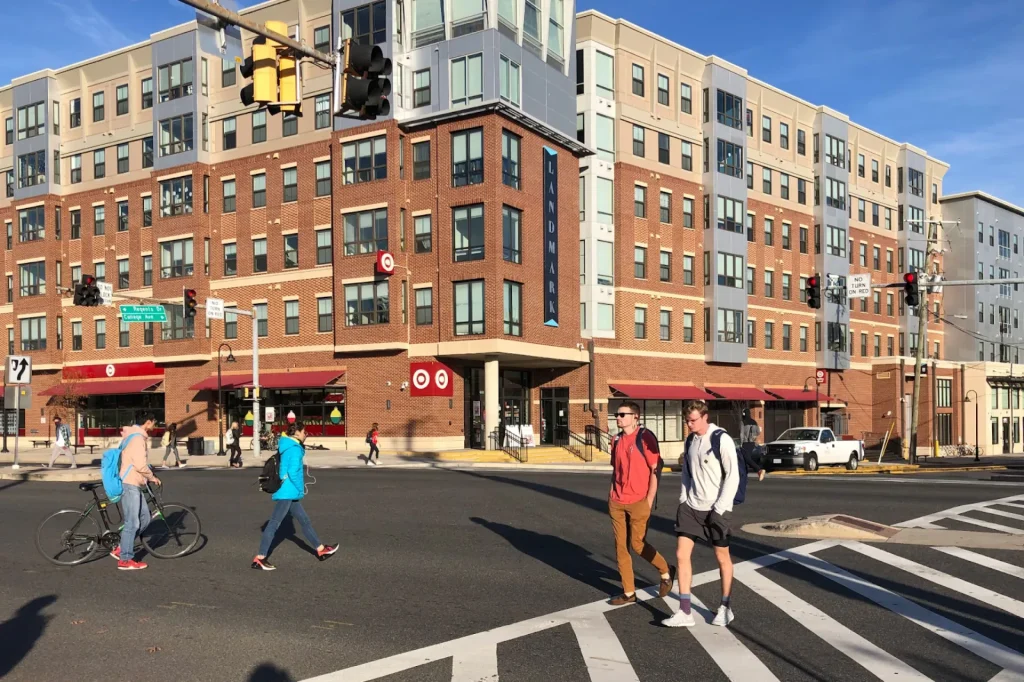
Location: Baltimore Ave (West), Calvert Road (South), UMD campus (North)
Another common option is living in neighborhoods just outside of campus like Old Town College Park. This area is filled with traditional student houses and a few apartment buildings. Many upperclassmen, primarily seniors, choose this area since they provide a quiet, residential feel while still being close enough to bike or drive to campus.
South Campus
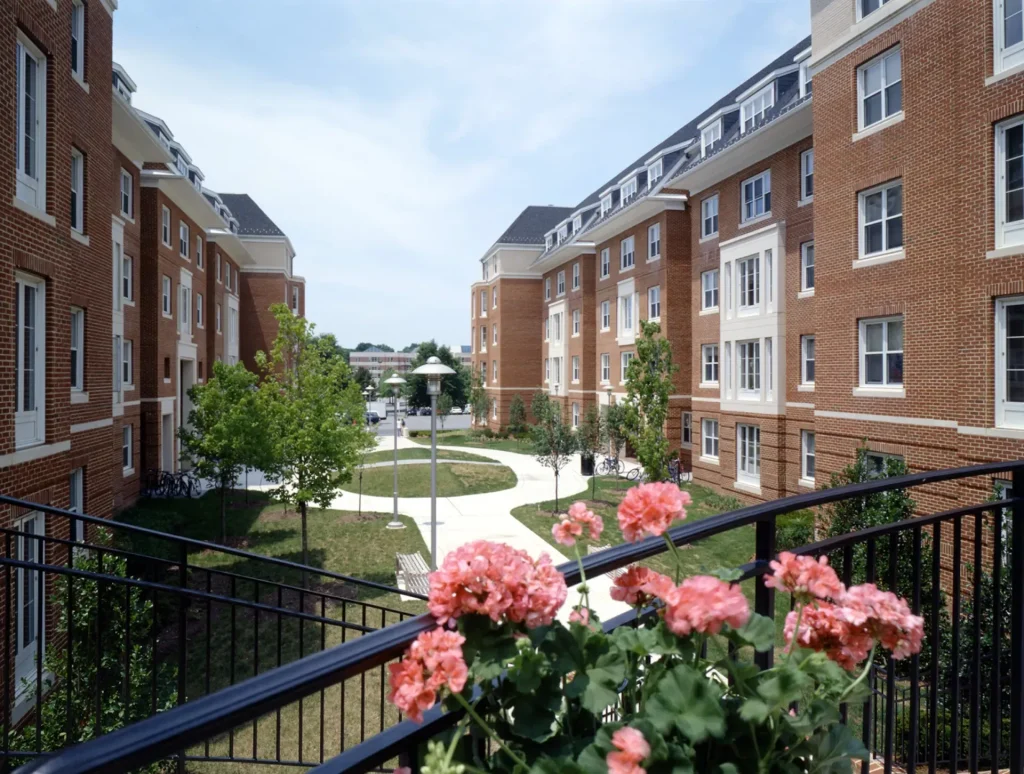
Location: Bordered by Baltimore Avenue (East), Knox Road (North), Mowatt Lane (West)
A third option is living in South Campus student apartments. These communities are located just south of the main campus and are designed specifically for student living. Because of their proximity to campus. Many students can walk to class in only a few minutes. This is especially appealing to those who want to be a part of a tight knit community, surrounded by people their age and with similar interests and values.
South Campus student apartments often include modern buildings with amenities geared toward college life. Many offer furnished units, study lounges, fitness centers and community spaces where residents can study or spend time with friends. These layouts and services make balancing both academics and social life much easier.
Pricing in this area can vary depending on the building, floor plan and how many roommates you have. Living with roommates is often the most affordable option because it allows students to split rent and shared costs.
Step 2: Determine Whether or Not You’ll Have a Roommate

After deciding on a general area, the next step is figuring out whether you want roommates. To help guide your decision, we have provided a list of pros and cons to help you decide.
Pros:
- Affordability: A roommate or roommates will allow the cost of living to be divided among the group which lowers the cost of living
- Social: Living with roommates can make off-campus life more social while exploring College Park.
- Community: If this is your first time away from home or you enjoy being surrounded by others, roommates can help ease the transition of living away from home.
Cons:
- Distraction: sharing a space also means less privacy and potential distractions. Differences in schedules, study habits or lifestyles can create some challenges.
- Reduced Privacy: Students who value quiet or personal space may prefer living alone, even if it comes at a higher cost.
If you do want roommates, the next step is deciding who they will be. Some students live with friends they already know, while others rely on roommate matching services offered by student apartment buildings. These programs usually ask questions about sleep schedules, cleanliness and lifestyle preferences to match students with compatible roommates.
Read Next: How to Find Roommates at UMD
Step 3: Decide Which Amenities You Value

Once you’ve decided on roommates and location, it’s time to think about apartment amenities. Amenities can play a big role in your living experience, so it helps to consider which features matter most to you.
Here are some common amenities to consider:
In-Unit Amenities:
- Fully furnished
- Washer/dryer
- Wi-Fi
- Cable TV
Community Amenities:
- Pool or hot tub
- Fitness Center
- Yoga Studio
- Study Rooms
- 24-hour security
- Package rooms
While the two lists provide a variety of amenities to consider, it’s important to prioritize what you want. These features make apartment living more convenient but also increase monthly rent. Check out the property’s website to find property specific amenity offerings.
Step 4: Set a Budget

Before touring apartments, it’s also important to set a realistic budget. Knowing how much you are comfortable spending on rent each month will help narrow down your search and prevent you from looking at places outside your price range.
In addition to rent, other expenses may affect your monthly housing cost. These may include:
- Leases by the bed: You can sign an individual lease for your portion of the apartment, eliminating the stress of coordinating your roommates paying each month on time. This is typically offered at the student housing apartments.
- Leases by unit: A standard lease agreement with all roommates who are equally liable for all payments. This is more common at traditional apartments
- Parking: Most apartments offer parking options, but this comes with an additional expense.
- Pet rent: If you have a pet, many apartments will charge you an extra fee. This can be a one-time deposit, an additional monthly fee or both
- Utilities: Most apartments charge utilities at an extra cost.
- Renter’s Insurance: While many apartments offer renter’s insurance, some do not and that can be an additional fee.
After factoring in the price of additional fees, you can curate a budget that works best for your specific housing needs.
Read Next: How Much Does It Cost to Live in College Park Near UMD?
Step 5: Make a List of Places to Tour

Once you have your location, budget and amenities in mind, you can begin narrowing down your apartment options. Most students start by browsing apartment websites or online listings to find properties that match their criteria.
Step 6: Go on Property Tours
Now for the exciting part: touring potential new apartments.
As you visit each property, keep your desired amenities and must-have features in mind. Consider whether the apartment meets your essential criteria and if it checks off any additional items on your wishlist.
This is also the perfect time to ask any questions you may have about the property or the leasing process.
Consider asking questions such as:
- What utilities are included and excluded?
- What expenses are incurred upon application, lease signing and move-in?
- Does the property offer roommate matching?
- How robust is the security of the property?
For a more comprehensive list of questions to ask during a tour, find 15 Questions to Ask When Touring a Property and use an Apartment Tour Checklist to stay organized during your visits.
Step 7: Fill out an Application
Congratulations! After touring your top apartment options, you’ve chosen the one that will be your home for the next year. The next step is submitting your application.
Most apartment communities offer an online application that is quick and easy to complete, typically taking about 15 to 30 minutes. During the process, you’ll usually be asked to provide basic information such as:
- Driver’s license
- Emergency contact
- Pet information (if you plan to bring a pet)
- Current residence
- Roommate questionnaire (if you’re interested in roommate matching)
Application fees generally range from $50 to $150, which helps cover the cost of background checks and processing the application.
Once your application is approved, you’ll be ready to move forward with signing your lease.
Step 8: Secure Your Spot
You’ve made it to the final step: signing your lease.
A lease is a legal agreement that outlines the responsibilities of both you and your landlord. While lease documents can be lengthy and sometimes tedious to read, it’s important to review each section carefully so you fully understand the terms before committing.
Be sure to look closely at the key details outlined in the lease, including the start and end dates, the monthly rent amount, payment deadlines and any additional fees. These sections clarify what you’ll be responsible for throughout your lease term.
Many full-time students who do not work or only work part-time will also need a guarantor. A guarantor, often a parent or guardian, co-signs the lease and agrees to cover rent payments if the resident is unable to do so.
Finding the right apartment may feel overwhelming at first, but breaking the process into manageable steps makes it much easier. By following these steps, you’ll be well on your way to securing the student apartment that fits your needs in College Park near the University of Maryland.
Read Next: The Ultimate Guide to Meal Plans at UMD
Ready to find your home away from home? Schedule a tour at Rambler College Park North or Rambler College Park South. We would love to show you around.

Allison
Allison is a Property Marketing Intern for Rambler College Park. She's a student at the University of Maryland, majoring in Marketing and Management. Her favorite drink to order is a vanilla iced latte!
Published On: March 23, 2026
Last Updated On: August 11, 2026