

How much does it actually cost to live near the University of Maryland?
And when you see rent prices online, what are you really expected to pay each month?
Between wide-ranging rent prices, added costs like utilities and parking and the pressure to stay within a student budget, it’s easy to feel overwhelmed. The good news? Once you understand how student housing pricing works, the numbers become much clearer.
At Rambler College Park, we’ve guided hundreds of students through the housing process, and we’ve put together this guide to break down the three biggest questions about cost, including:
- How do student apartments calculate rental rates?
- What factors affect the price of monthly rent?
- What other fees should you consider on top of your monthly rent?
Read Next: 5 Benefits to Signing Your Lease Early in College Park
How Do Student Apartments Calculate Rental Rates?

In order to understand what your monthly rental rate might be, it’s important to understand how they’re calculated.
Type of Lease
If you choose to rent a house or a traditional apartment, you’ll most likely sign a standard joint lease. With this type of agreement, the entire home is leased under one total monthly rent amount, and you and your roommates are collectively responsible for paying it. That typically means everyone sends their share to one designated roommate, who then submits the full rent payment to the landlord each month. If someone falls short, the rest of the household is still responsible for covering the total amount due.
Purpose-built student housing works differently. Instead of one lease for the entire unit, these communities offer individual or “by-the-bed,” leases. Each resident signs their own contract and is responsible only for their set monthly installment. Because your lease is separate from your roommates’, you don’t have to worry about covering someone else’s missed payment or managing a group rent collection each month.
Length of Lease
You’ll also want to pay close attention to the length of the lease term.
In purpose-built student housing communities, 12-month leases are the standard, typically running from mid-August move-in through late July move-out. Some properties may offer early move-in options in early August for an additional fee or as a limited-time option.
For students planning to graduate early or study abroad, certain communities may offer 6-month lease options and individual leases can make subletting more straightforward. Understanding your timeline in advance is important so you’re not locked into paying for housing you won’t be occupying.
Traditional apartments and rental houses also commonly use 12-month lease agreements. While some landlords may offer 6-month terms, those shorter leases often come with a higher monthly rate to offset the potential vacancy risk once the short-term tenant moves out.
On-campus housing operates differently. Residence hall contracts are typically structured as nine-month agreements that cover the Fall and Spring semesters. These contracts generally do not extend through major school breaks or the summer, and residents are usually required to move out during those periods unless they arrange separate summer housing.
What Factors Affect the Price of Monthly Rent?
Rental rates vary greatly based on several key factors. Housing type, floorplans, building age and room features can all affect your monthly rent.

1. Housing Type
When looking for housing in College Park, you have lots of options. For undergraduate students, the most popular types of housing are:
- Residence Halls
- Greek Life Housing
- Cooperative Housing
- Student Housing Apartments
- Traditional Apartments
- Traditional Houses
Typically, housing that offers more luxurious amenity packages, like fitness centers, pools and study lounges or options that offer meal plans, will come at a higher price.
Read Next: What Types of Housing are Available to UMD Students?
Residence Halls
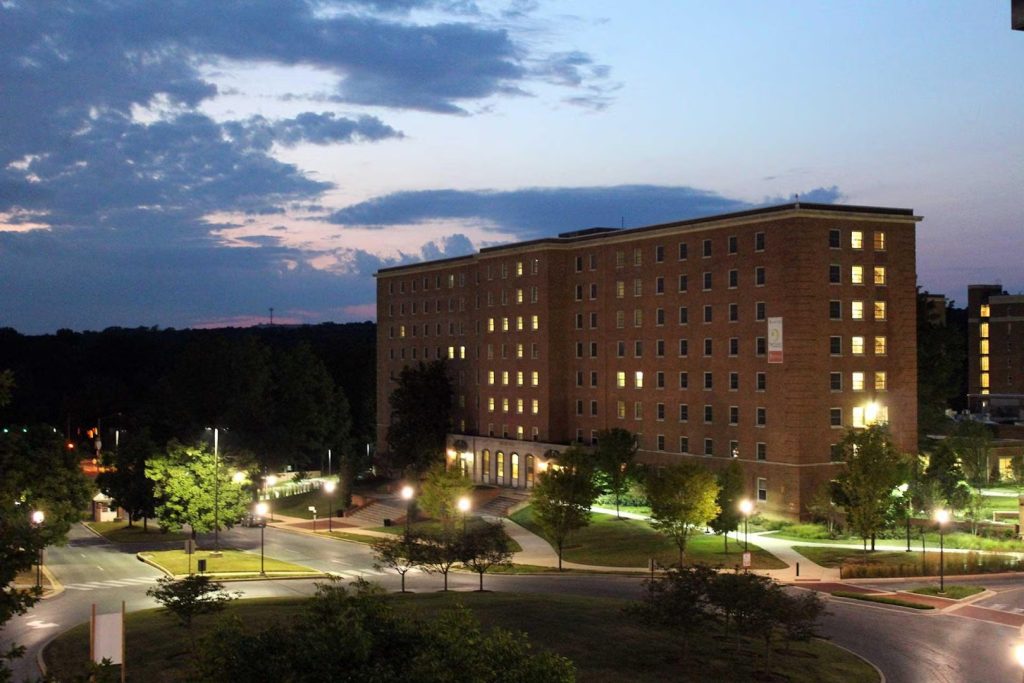
For many students, living on campus at UMD is the first housing option they consider, but it’s important to understand the pricing structure.
Traditional residence halls like Ellicott, Cumberland and Easton typically cost $8,000 to $9,500 per semester, depending on room type and amenities such as air conditioning. More private suites or apartment-style university housing, like South Campus Commons or Courtyards, generally range from$9,600 to $10,200 per academic year.
It’s also important to factor in meal plans. In residence halls without kitchens, students are required to purchase a dining plan, which typically adds $3,336 to $3,676 per semester.
Read Next: Ultimate Guide to UMD Meal Plans
University housing is typically a nine-month agreement. Most residence halls operate with move-in in August and move-out in May. These contracts usually do not extend through summer break unless a separate summer housing agreement is signed. At UMD, students taking summer classes can choose to live in a single or double-bedroom apartment for costs ranging from $280 to $2,160 depending on the length of stay.
Because the lease aligns with the academic calendar, students are generally required to leave during extended breaks or at the end of the spring term, making university housing a shorter-term commitment compared to traditional off-campus 12-month leases.
When combined, total on-campus housing costs can range from roughly $10,500 to over $13,000 per academic year, depending on room selection and meal plan choice.
If you’d like to learn more about rates for UMD University Housing, visit the Resident Life page.
Greek Life Housing
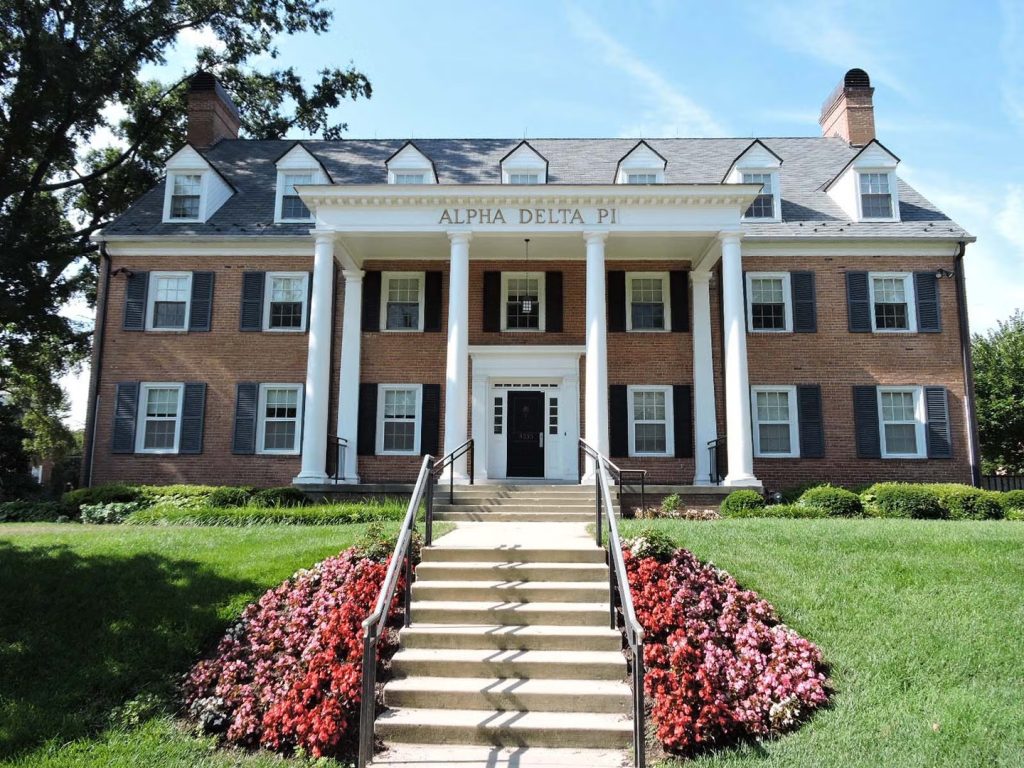
Many students choose to get involved in Greek Life at UMD for the opportunity to meet new friends, participate in volunteer efforts and use the resources each chapter provides its members. Typically sophomores and juniors choose to live in their chapter’s house not only to form closer bonds with other members, but also to take advantage of pricing that includes rent, chapter dues, utilities and a meal plan.
Pricing for Greek housing varies because each chapter determines its own dues, housing costs and fee structure. There is no universal rate across organizations. In many cases, housing charges bundle expenses such as meals, utilities and membership dues, which often positions total costs in the mid-to-higher range of student housing options.
Availability can be limited, and living in a chapter house typically requires active participation and maintaining good standing within the organization. For students who are deeply involved in Greek Life and want a fully integrated social and residential experience, chapter housing can be a strong fit.
Cooperative Housing
Cooperative housing, often called co-ops, offers a more budget-conscious off-campus living option managed by student members. These homes operate on a shared-responsibility model, where residents contribute to tasks like cooking, cleaning and general upkeep. In return, members typically benefit from lower housing costs and perks such as shared meals made within the house.
Because each co-op is independently operated, rental rates vary by location and organization. As of 2021, the Cooperative Housing of the University of Maryland (CHUM) included three houses. For updated details on individual homes, pricing and availability, students can explore coverage from The Diamondback.
Student Housing Apartments
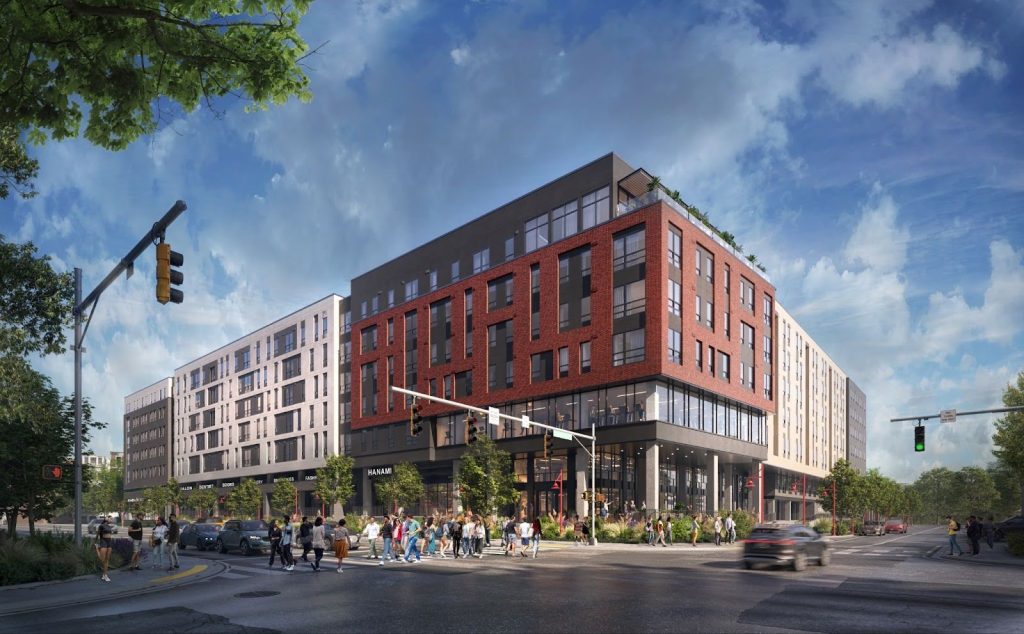
Purpose-built student housing apartments are one of the most common choices for undergraduate students. These communities are designed specifically with college living in mind and often include amenities such as fitness centers, pools, study lounges, computer labs and in-unit washers and dryers.
From a pricing standpoint, student housing apartments typically fall within the mid-to-higher range of off-campus options. However, that cost often reflects added value, including fully furnished units, individual (by-the-bed) leases and built-in community spaces for studying and socializing. Most properties offer 12-month leases to cover both the academic year and summer months, though some may provide limited flexibility depending on availability and leasing terms.
Traditional Apartments
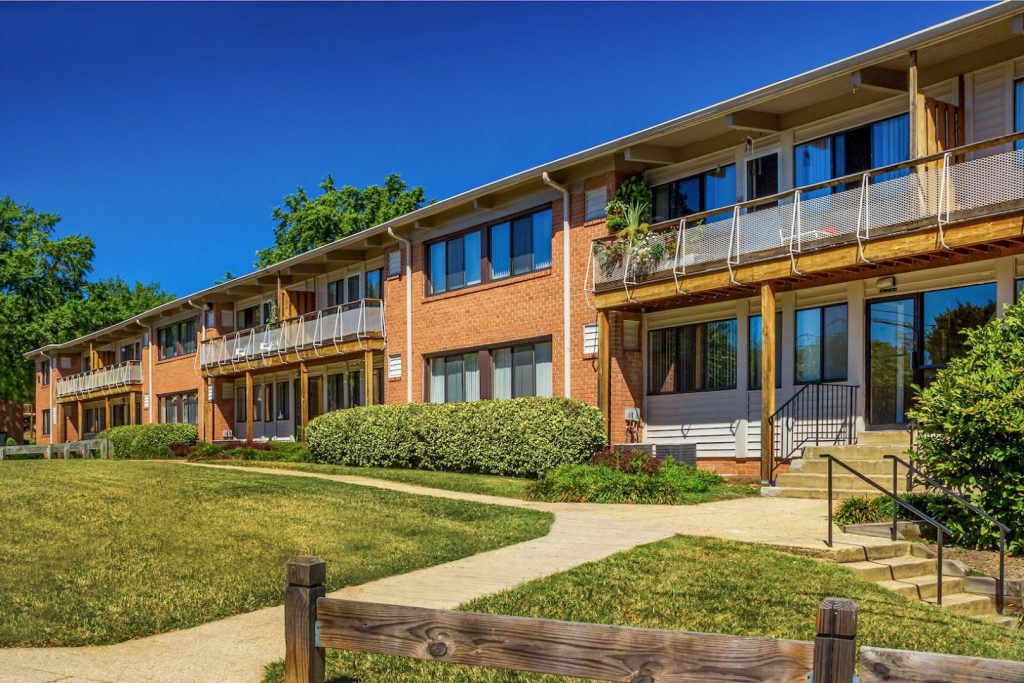
Traditional apartments can appeal to undergraduate students who want a more straightforward, no-frills housing option. Because these communities are not specifically designed for college residents, they typically offer standard amenities and joint leases rather than individual, by-the-bed contracts. That simplicity can sometimes mean a lower rent compared to purpose-built student housing.
As of February 2026, the average monthly rent for a traditional apartment in College Park was approximately $2,580 per month, though pricing varies based on factors such as unit size, building age, recent renovations and proximity to campus.
Most traditional apartments operate on 12-month lease terms. Subletting under a joint lease can be more complex than in student housing communities, since all roommates are collectively responsible for the unit. Lease transfers often require landlord approval, agreement among roommates and updated paperwork reflecting any changes in rent distribution. If you’re thinking about graduating early or studying abroad, this is important to consider when you look at traditional housing.
Traditional Houses
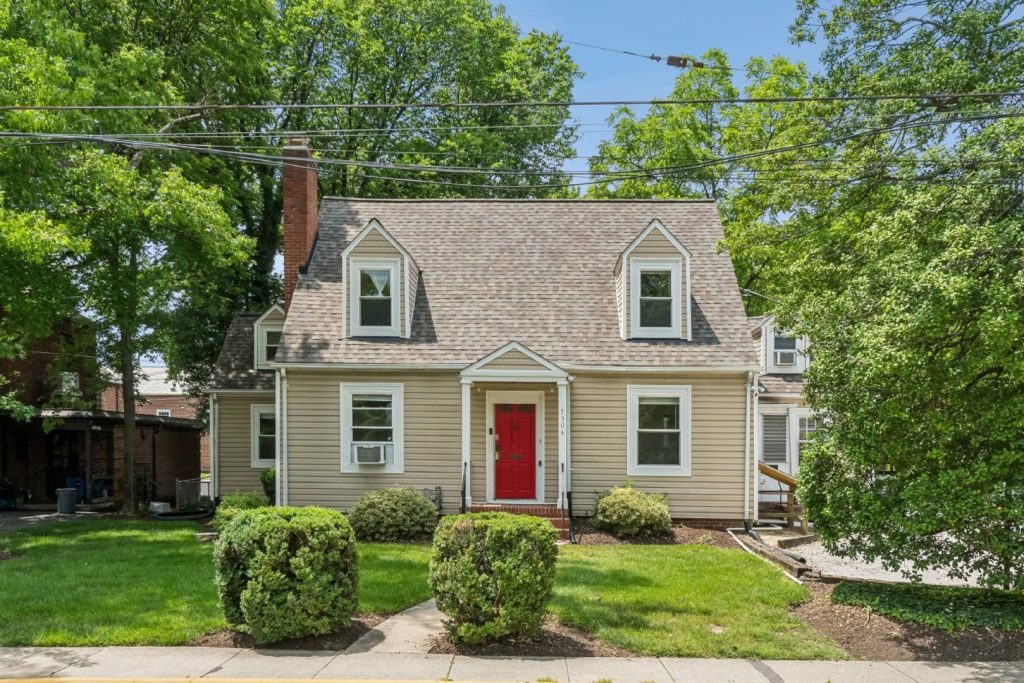
Traditional rental houses are another off-campus option for students who want a quieter, more residential setting and don’t mind commuting to campus. These homes are typically owned by private landlords or local property management companies and operate under standard joint leases, similar to traditional apartments.
Pricing for houses in College Park generally falls within the mid-to-higher range of the student housing market, depending on factors like location, property condition, age of the home and the number of bedrooms and bathrooms. As of February 2026, total monthly rent for a rental house in College Park typically ranges from $2,234 to $4,869+, depending largely on size. Because houses are leased as a full unit, the total rent is divided among roommates, which can make the per-person cost vary significantly based on how the group chooses to split it.
Unlike many apartment communities, rental houses usually do not include extensive amenities. While some may feature perks like a pool or outdoor space, most do not offer fitness centers, study lounges or maintenance services common in larger complexes. Utilities such as gas, internet and trash are often the tenant’s responsibility and most houses are leased unfurnished. When budgeting, students should account not only for rent but also for utilities and furniture costs.
2. Floorplans
Once you’ve narrowed down the type of housing that fits your budget and lifestyle, the next factor to evaluate is floor plan, since layout can significantly impact your monthly cost.
In general, living with more roommates lowers your per-person rent. This is particularly true in traditional houses and apartments, where the total rent is split among everyone on the lease. The more people sharing the space, the smaller each individual’s share tends to be.
Room configuration also plays a major role in pricing. Floor plans with shared bedrooms or shared bathrooms are typically the most budget-friendly. In contrast, private bedrooms and especially private bathrooms increase monthly costs, with the highest price points often seen in Residence Halls.
3. Building Age
The average home in College Park was built in 1980. Because this means most houses aren’t particularly new, age may play a more significant role in determining rent. Generally, the older a home or apartment is, the less the rent per month tends to be.
The exception to this trend are Residence Halls. Because they are owned by the University of Maryland, building age typically plays a much smaller role in determining monthly rent. Price increases for these houses typically mirrors increases in tuition regardless of building age.
The price of the building will also typically reflect the amenities offered. New developments will typically offer more luxurious, modern amenities, while older complexes will usually have a smaller range with less offerings.
4. Unit / Room Features
Another factor that can affect your monthly rent is the specific features of the room or unit itself. While it may seem minor, details like having a window, better natural light, upgraded finishes or a private entrance can influence pricing.
Although the number of bedrooms and bathrooms typically has the greatest impact on cost, it’s still important to ask about additional features that could affect your rate, such as:
- Is my unit furnished?
- Does my unit have a balcony?
- Do I have my own bathroom?
- Is my bathroom attached to my bedroom?
- Do I have windows in my bedroom?
- Does my unit have a washer and dryer?
- What floor am I on? Is it considered quieter? Does it have better views?
If the answer to any of the above questions is, “Yes!” you might be facing an increased rent. These factors are typically considered favorable for apartment units and may drive a higher monthly rate.
What Other Fees Should You Consider on Top of Your Monthly Rent?
Aside from the specific features of your space, there are additional aspects of renting that can add on to your monthly rate. These costs may include:
- Parking
- *Utilities
- Rental Insurance
- Trash
- Moving Fees
- Wi-Fi
- Cable TV
- Pet Fees
- Technology Packages
- Security Deposit
While this list applies to mainly traditional or student housing apartment complexes, there are similar fees that apply to dorms and houses as well.
*A traditional lease, like in a house or traditional apartment, will not include utilities in their monthly rate. This means that it is you and your roommates’ responsibility to set up accounts with services like gas, water, Wi-Fi and trash and pay those monthly fees individually. The utilities covered by student apartments will vary by the property, so be sure to ask what is covered in your lease.
Read Next: How to Find the Perfect Student Apartment Near UMD
With so many variables influencing monthly rent, estimating your housing budget in College Park can feel overwhelming. From lease structure to floor plan and included amenities, each factor plays a role in determining your overall cost.
Our goal is to give you a clearer understanding of what drives pricing so you can build a realistic budget and confidently choose the housing option that best fits your needs.
Ready to find your home away from home? Schedule a tour at Rambler College Park North or Rambler College Park South. We would love to show you around.

Allison
Allison is a Property Marketing Intern for Rambler College Park. She's a student at the University of Maryland, majoring in Marketing and Management. Her favorite drink to order is a vanilla iced latte!
Published On: March 23, 2026
Last Updated On: August 11, 2026