


So you’re headed to the University of Maryland. Congratulations! Whether you’re transferring schools or joining UMD as an exchange student, becoming a Terp is an exciting milestone. But once the excitement sets in, one big question quickly follows: Where should I live in College Park?
With so many housing options, from residence halls to off-campus apartments and houses, it can feel overwhelming to figure out which options fit your lifestyle, budget and goals.
In this guide, we will answer your questions regarding finding housing as an international or transfer student near the University of Maryland, including:
- Where do students live near UMD?
- What types of housing are available for students at UMD?
- How much does it cost to live in College Park, Maryland near UMD?
- How to Begin Your Housing Search
- Signing Your Lease
Read Next: Types of Housing Available to UMD Students
Transfer and Exchange Students at UMD

While transfer and exchange students are often grouped together, their housing needs at the University of Maryland can be slightly different.
Transfer Students
Transfer students typically enroll at UMD permanently and complete the remainder of their degree as Terps. Because of this, many transfer students look for longer-term housing options that allow them to settle into campus life and build connections in the College Park community.
Exchange Students
Exchange students, on the other hand, usually attend UMD for one semester or one academic year before returning to their home university. Due to their shorter stay, exchange students often prioritize flexible living arrangements or roommate matching services that make the transition easier.
Although both groups share similar housing options, their timelines, priorities and lease preferences may vary depending on how long they plan to stay.
While some students consider on-campus housing, availability can be limited, especially for transfer students, so many students explore off-campus housing options near campus.
Where Do Students Live Near UMD?
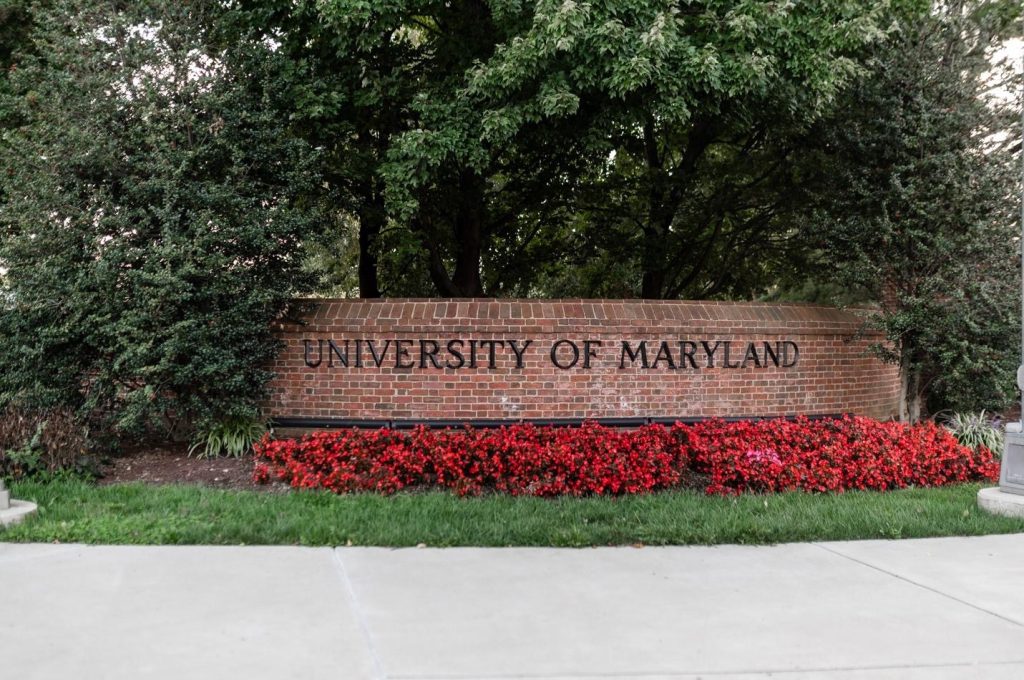
The most popular areas for exchange students to live are South Campus, North Campus and on-campus housing.
South Campus
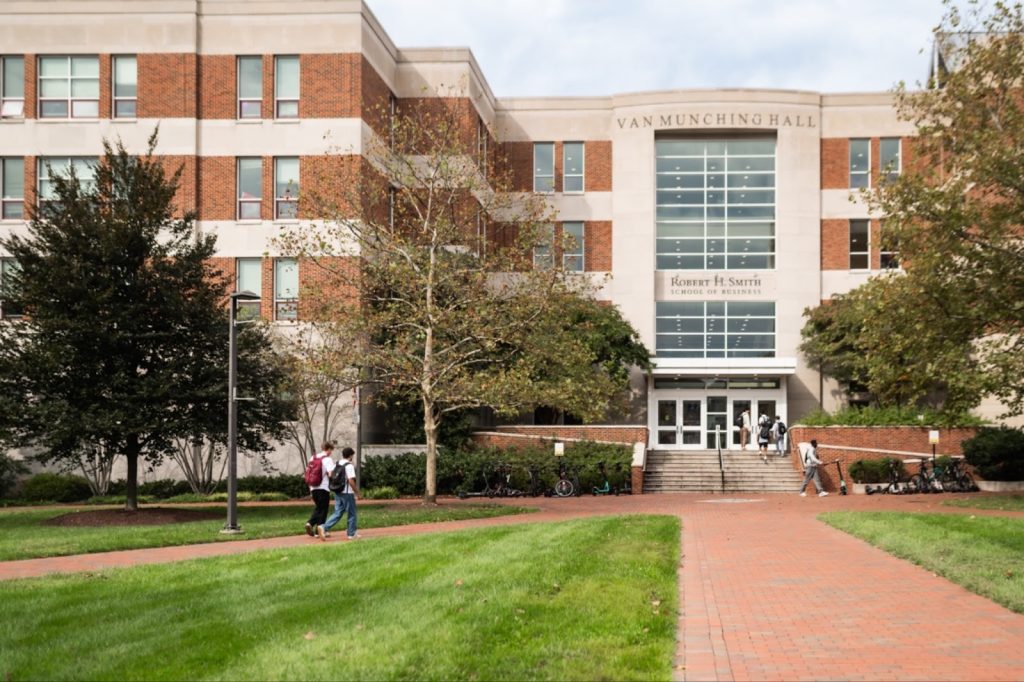
South Campus is one of the more popular areas for undergraduate students to live in, as it is surrounded by nightlife, Greek life, restaurants and other student apartment communities.
Located south of UMD campus, it provides convenience to the College Park Shopping center, with endless study snacks available and walkability.
Specifically, this location provides proximity to the center of campus life, like the Robert H. Smith School of Business and McKeldin Mall.
North Campus
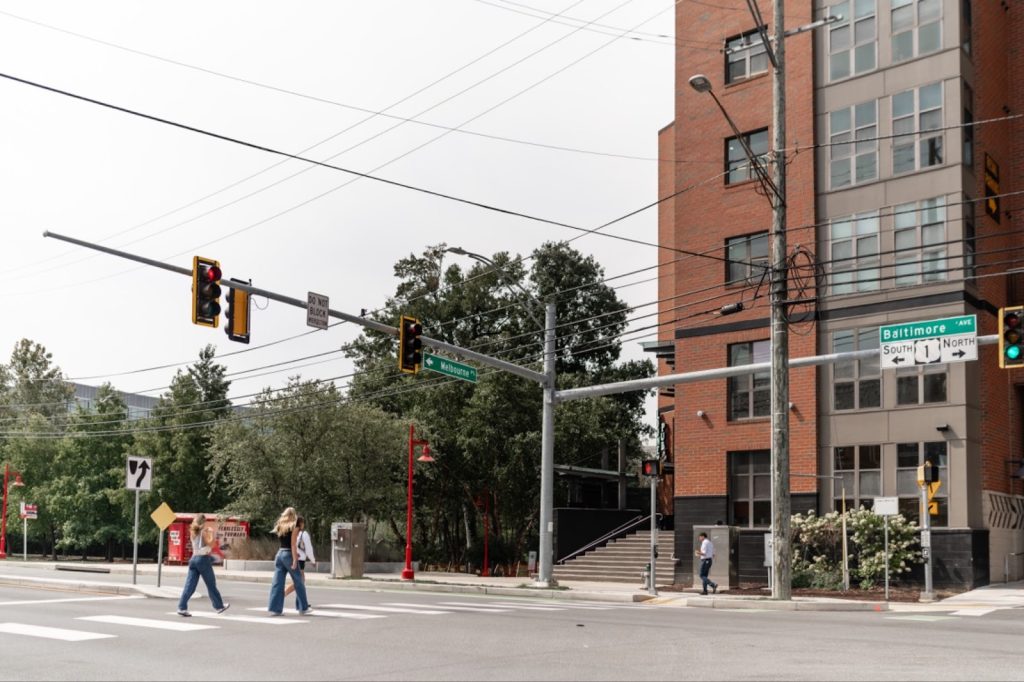
North Campus is also a popular neighborhood near UMD among both underclassmen and upperclassmen. Located just north of UMD’s campus, it is on the stretch of Baltimore Ave. This offers availability to coffee shops, restaurants and retail opportunities.
North Campus also offers proximity to the James A. Clark School of Engineering and the College of Computer Mathematical and Natural Sciences, as well as other STEM buildings.
On-Campus
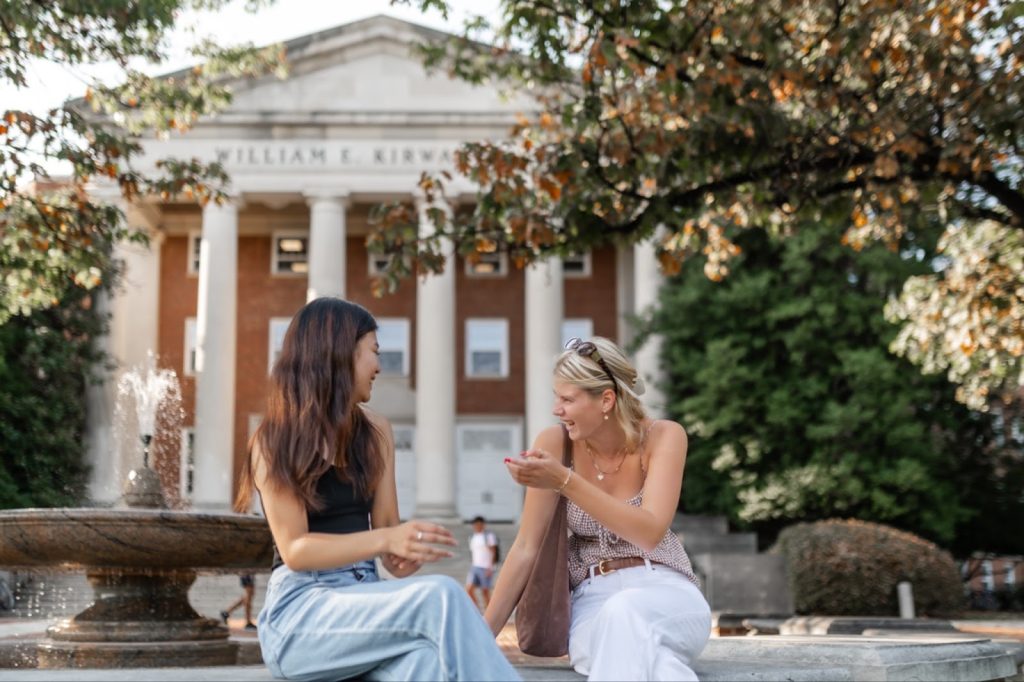
Many undergraduate students, especially underclassmen, choose to live on-campus in a residence hall. These dorms offer a community feel that places you with students your age that have similar interests. This makes meeting new people a breeze, however, freshmen students get priority, so transfer and exchange students typically look off campus for their housing needs.
Old Town
Old Town is a popular residential neighborhood located near campus. This area features a mix of rental houses and student apartments and is often chosen by students looking for more space and a quieter residential feel.
Many upperclassmen, namely seniors, live here with multiple roommates.
Downtown College Park

Downtown College Park features a cluster of student apartment communities designed for student living. Because many residents are students, it’s easier to meet people and build connections, which is especially helpful for transfer students adjusting to a new campus.
Living downtown also provides access to grocery stores, take-out restaurants and coffee shops, making everyday errands simple and convenient.
What Types of Housing are Available for Students at UMD?
Now that you know the popular neighborhoods students choose to live in, we will explain the different housing options available for UMD students. Namely, residence halls, student apartments, off-campus apartments and houses.
While student housing apartments and dormitories are generally the most favored options, it is important to understand what is available to you.
Residence Halls
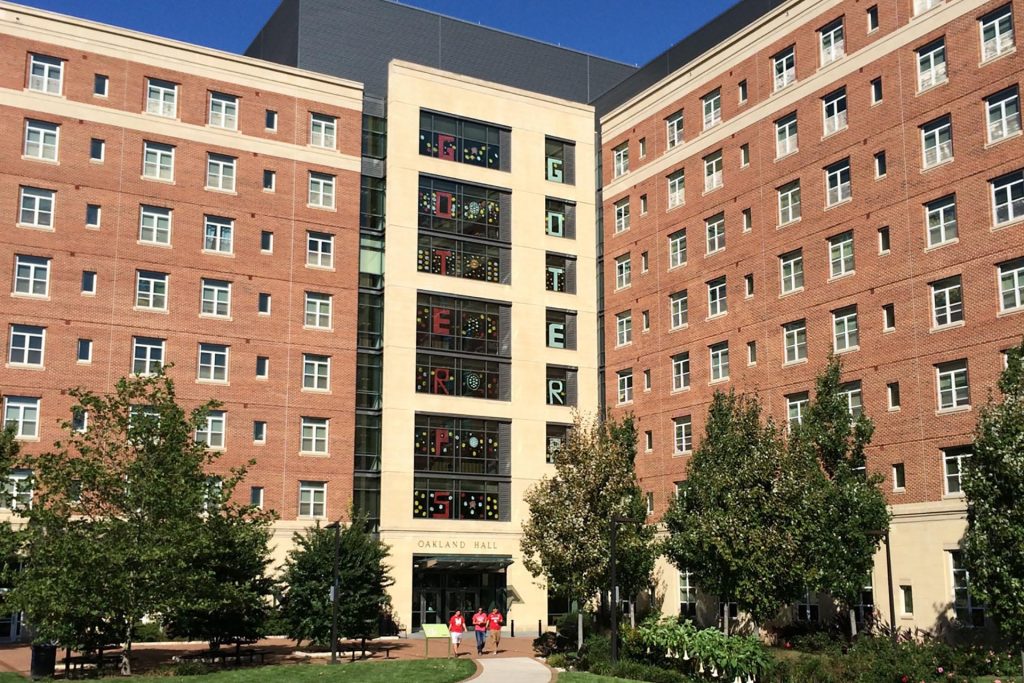
Residence halls are traditional dorm style living on-campus for UMD students and are owned by the university. You will see that most of the students living in these dorms are freshmen, as well as some sophomores. These residence halls have a nine-month leasing term, offer meal plans at the nearby dining halls and come fully furnished.
It’s important to note that for transfer and exchange students, these rooms can be hard to come by due to the priority in registration. Nevertheless, they’re still a good option to look into as you consider your College Park housing.
Student Housing Apartments
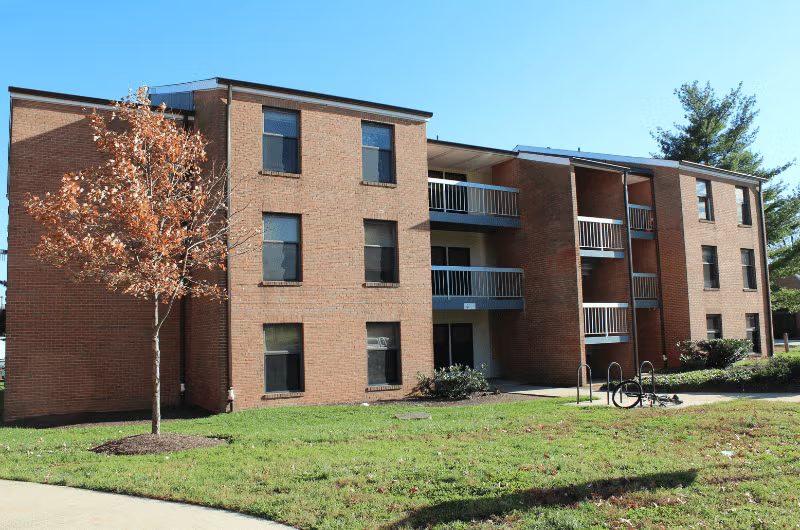
Student housing apartments are on-campus housing built for college students. These are another option like residence halls but offer more amenities, including an in-unit kitchen, which makes cooking on your own more accessible.
These leases run on a 12-month basis but often allow subletting if needed.
Off-Campus Student Apartments
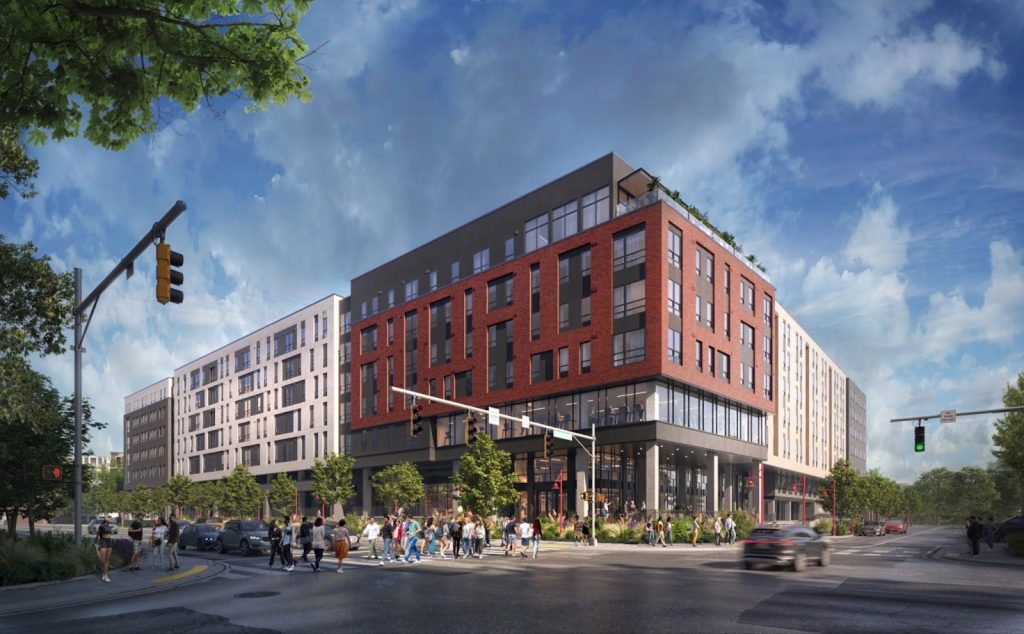
Off-campus student apartments are an alternative housing choice that offer a uniquely tailored environment designed for University of Maryland students. This is a popular choice among upperclassmen, and these apartments can generally be found in South and North Campus.
In off-campus student apartments, you will be living with other students and enjoy amenities focused around the academic and lifestyle needs of students. These properties typically include amenities like state-of-the-art gyms and pools, computer labs, study rooms and roommate matching. Most units come fully furnished and offer individual 12-month leases, so be sure to ask what each specific building offers when connecting with the leasing team.
Read Next: 6 Benefits of Signing an Individual Lease in College Park
Off-Campus Traditional Apartments
Off-campus traditional apartments have a smaller student population and units often don’t come fully furnished. When signing a lease, there is likely more flexibility in the duration of your lease if you need a short term or long term option, but individual leases are typically not offered, instead offering a fixed lease price for the entire apartment. While these apartments tend to offer more privacy than dormitories and sometimes include gyms or pools, they tend to be older and provide more basic amenities than student housing apartments.
Traditional Houses
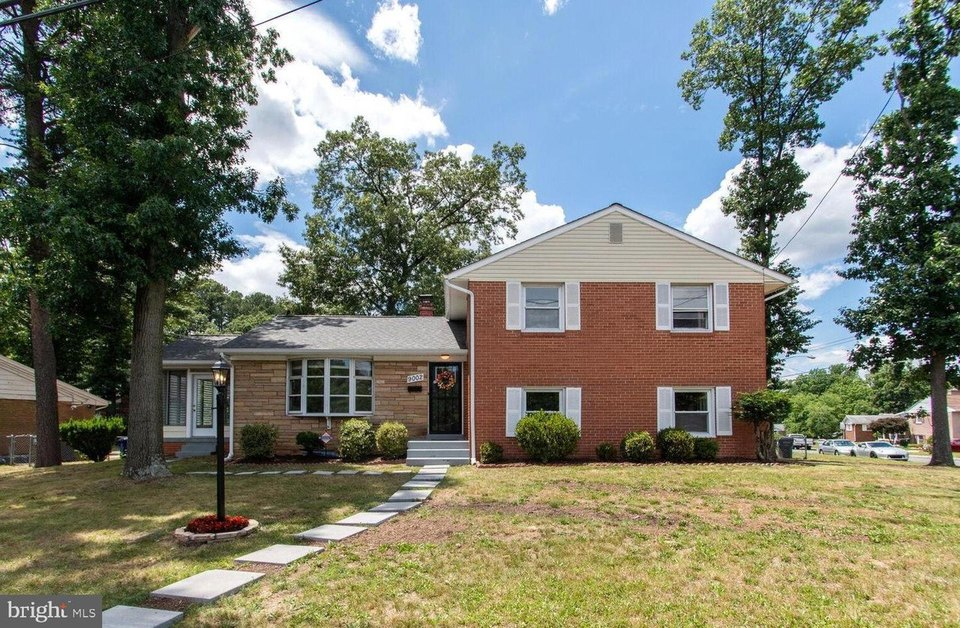
Lastly, houses are an off-campus living option for students who are looking for a residential feel with more roommates.
Students often rent houses in Old Town, which is located near South Campus. Upperclassmen, particularly seniors and graduate students, opt for renting houses.
Like traditional apartments, houses typically offer traditional leases. They rarely include amenities, like pools, and utilities are usually the tenant’s responsibility to manage and are billed separately from monthly rent. Houses are usually unfurnished, which can add to the cost of living, but they offer unmatched levels of privacy and can be more affordable than apartments depending on the property.
How Much Does it Cost to Live in College Park, Maryland Near UMD?
One of the most important considerations when looking at housing is the cost of living at UMD. While it seems like it would be straightforward, there is often a wide range of expenses such as rent, utilities and added features to consider.
As of April 2026, the general price for rent near UMD ranges from $750 to over $2,000 per month for a traditional apartment. On-campus options are generally priced on the higher side of that range, while South Campus apartments trend toward the mid to high end. Regardless, rent pricing is dependent on your apartment, floorplan and number of roommates.
On top of base rent, additional fees to consider include: utilities ranging between $90 to $190 per month, parking, rental insurance and more. Be sure to ask questions regarding these costs when contacting the leasing team or touring the property.
Living in College Park can be costly, so knowing your budget and expenses as you explore your housing options can help narrow down your search.
Read Next: How Much Does it Cost to Live in College Park?
How to Begin Your Housing

Now that you’ve been made aware of your housing options near UMD and their expenses, it’s time to begin your search process. Online resources are an easy way to find your home and roommates.
The University of Maryland provides information for on and off-campus living through a database. They also have helpful resources for international students that give tips on short term living situations, how to navigate the campus and more.
Facebook groups like UMD International Student and Scholar Services and Instagram pages like @umdisss are also a widely used tool by international students attending the University of Maryland. Both are common places for students to meet other international students, find roommates, sublease their apartment and find out where different student communities are living.
Similarly, Facebook Groups like University of Maryland Transfer Students and Instagram pages like @umdtocsl are utilized by transfer students to guide their search for roommates.
If you choose to live in student apartments, they often offer roommate matching services, so be sure to check the property’s website to learn more about the process.
Read Next: 10 Best Student Apartments Near UMD
Signing Your Lease

Alt. Students studying at the University of Maryland.
Once you’ve found where you want to call home near UMD, it’s time to begin the process of signing your lease. This is generally straightforward, but there are a few things to be aware of:
1. Finding a guarantor
If you are a full-time student, most apartment complexes require a guarantor to co-sign your lease.
A guarantor is someone that co-signs your lease and takes legal responsibility for failed or late rent payments that you are unable to make. This tends to be a parent or guardian.
2. Preparing your documents
Before finalizing your lease agreement, the property will run a credit check. To make this process efficient and smooth, you should have your bank account statements, pay stubs and social security number on standby.
Applicants that are international students must also provide a passport, the INS document that allows the applicant to be in the United States and an I-20 confirming student status and proof of enrollment.
3. Carefully reading over your leasing agreement
Although a student lease agreement tends to be around 40 pages, it is important that you understand what you are being held responsible for during your term. A lease is legally binding, so you will want to pay attention to fees, payment dates, monthly rental rate, rental insurance, lease term length, breaking lease policy and potentially their sublease policy.
4. Signing!
After you feel you are fully aware of the lease terms, you can sign. Once it is signed by both you and your guarantor and you pass the credit check, then your lease is approved!
For more information on how to sign a student lease, check out our article on How to Sign a Lease at UMD: A Step-by-Step Guide
We hope that this article brings you clarity on how to find housing near UMD as an exchange student. If you have any further questions, contact our leasing team! We would be happy to assist you in your search for housing.

Allison
Allison is a Property Marketing Intern for Rambler College Park. She's a student at the University of Maryland, majoring in Marketing and Management. Her favorite drink to order is a vanilla iced latte!
Published On: April 24, 2026
Last Updated On: July 1, 2026


How to Find Roommates at UMD in College Park
By Allison
The Ultimate Guide to UMD Meal Plans
By Allison
How to Find Roommates at UMD in College Park
By Allison