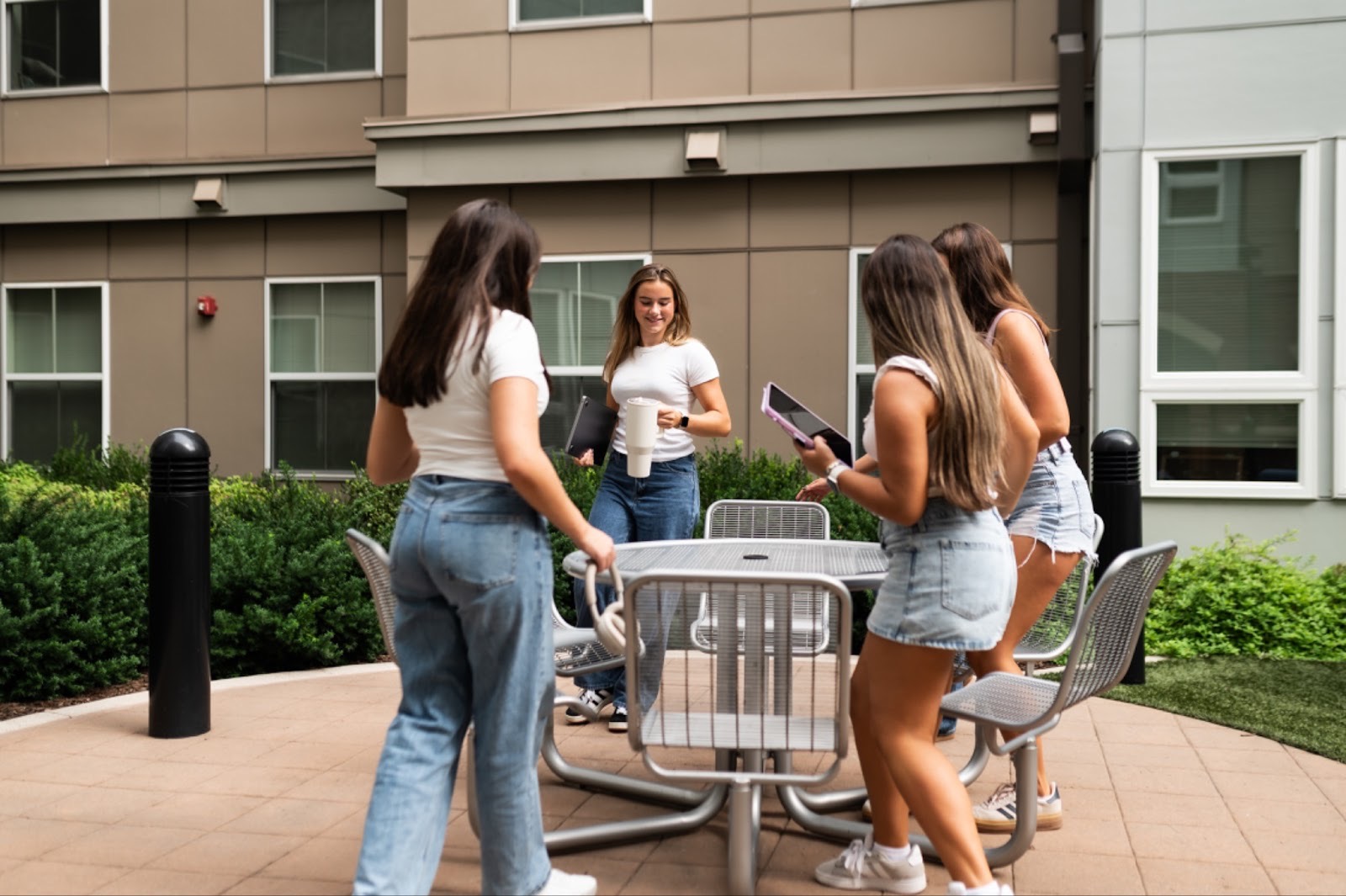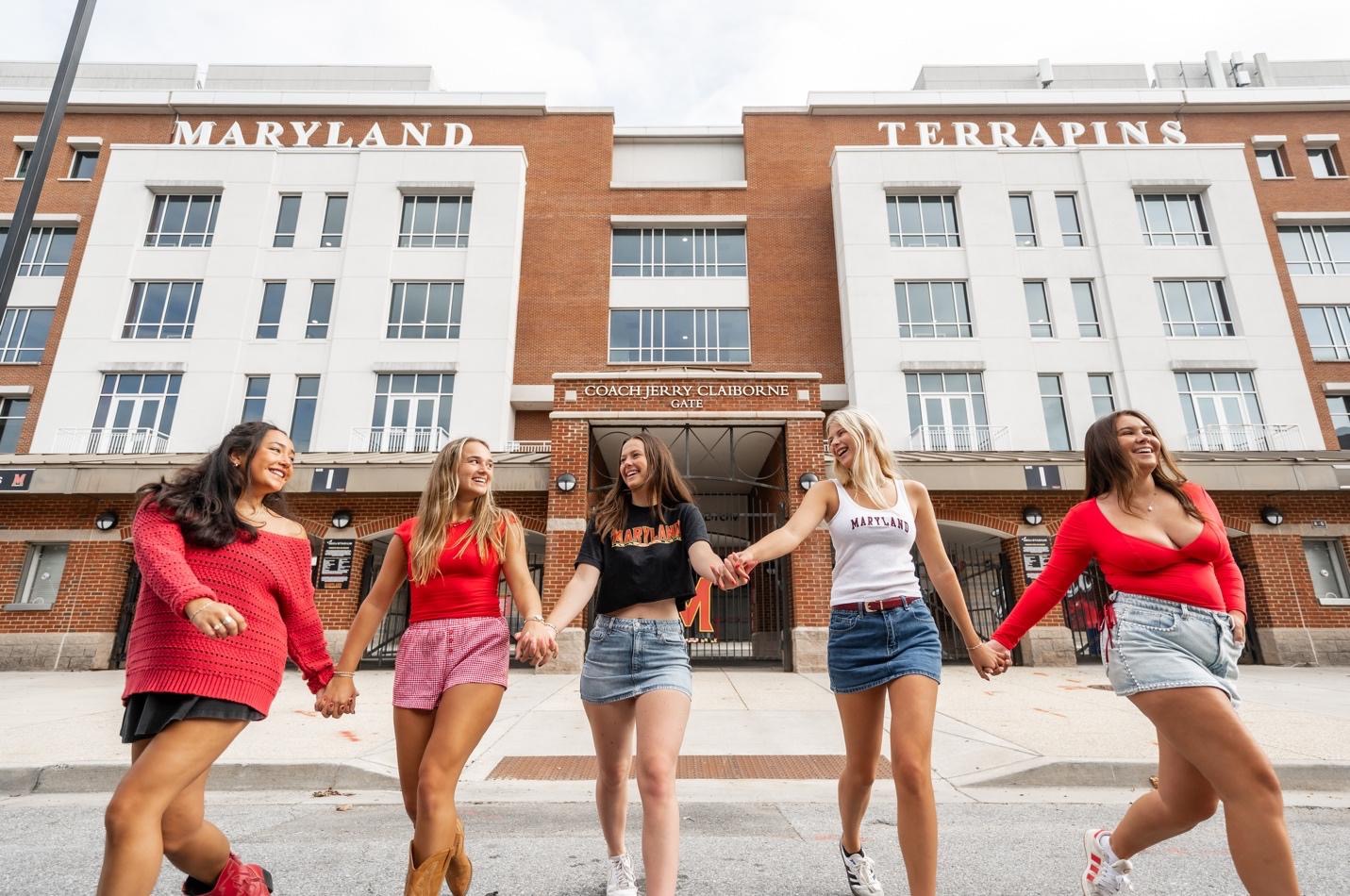
Finding housing at the University of Maryland can feel like its own college course. Between dorms, fraternity and sorority houses and new off-campus apartments popping up each year, students have more options than ever, each offering a different lifestyle, level of independence and community experience.
Whether you’re a first-year student hoping to stay close to the action or an upperclassman looking for more privacy and amenities, this guide breaks down every major type of housing available to UMD students and how to find your perfect fit, including:
- Residence Halls
- Greek Life Housing
- Cooperative Housing
- Student Housing Apartments
- Traditional Apartments
- Traditional Houses
- Comparison of Housing Types
Residence Halls
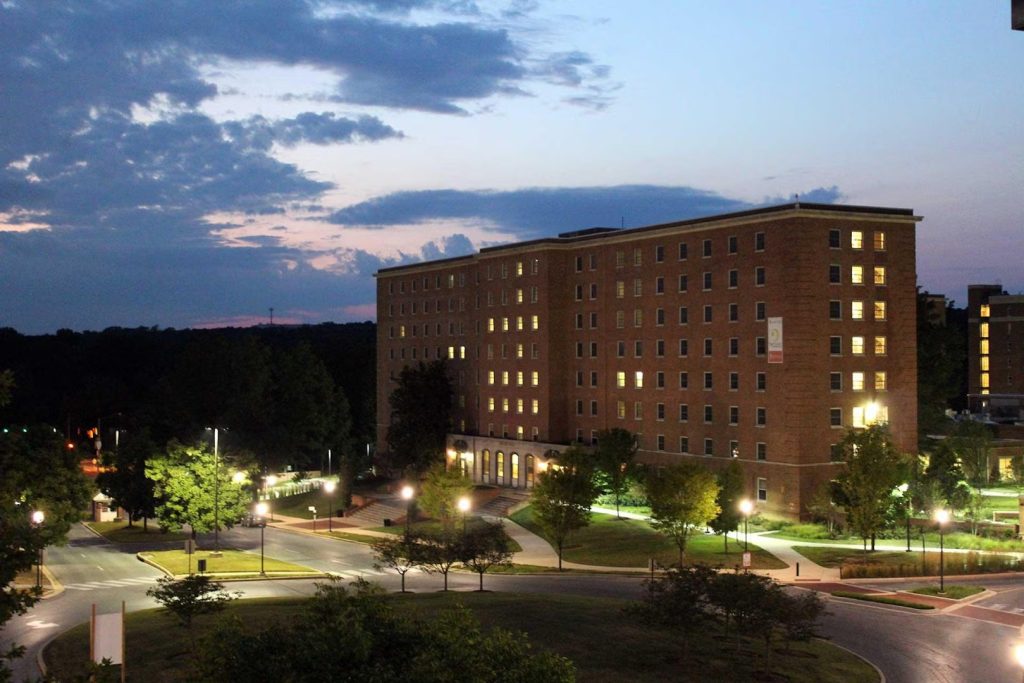
For many students, the college experience begins in a residence hall. UMD’s on-campus housing includes traditional dorms like Ellicott Hall, Cumberland Hall and Easton Hall, where most freshmen live. These dorms make it easy to meet new friends, attend events and stay close to classrooms, dining halls and campus activities.
Upperclassmen can also apply for apartment-style housing in South Campus Commons or Courtyards, which offers more space and independence while still being managed by the university. However, space is limited and selection priority often goes to returning residents.
Residence halls typically fall on the mid-to-high end of the student housing price range. Depending on whether or not you want AC, traditional quad or triple rooms range from about $8,000 to $9,500 for the academic year as of January 2026. For more private suites or apartment-style rooms, the cost can fall between $9,600 to $10,200, not including meal plans. For residence halls without a kitchen, students are required to purchase an additional meal plan ranging from $3,336 to $3,676 per semester, depending on the plan.
If you’d like to learn more about residence hall pricing, see UMD’s Rates and Billing page.
Greek Life Housing
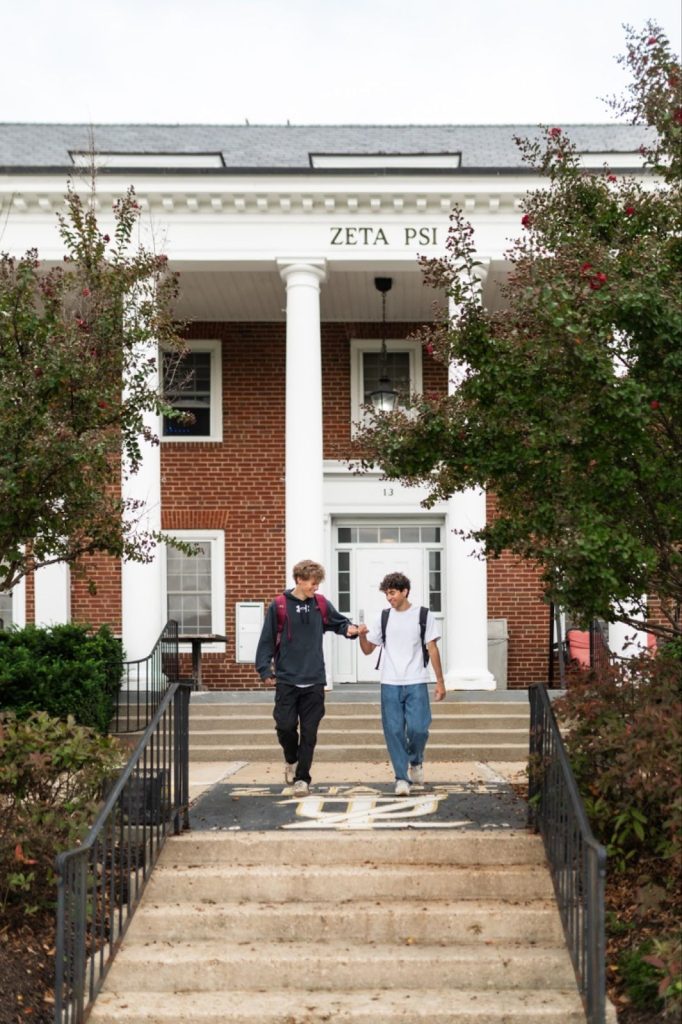
Fraternity and sorority houses are a hallmark of College Park culture. Located along Fraternity Row and Knox Road, these homes combine social life with close proximity to campus. As of January 2026, around 16% of the University of Maryland’s student population was involved in Greek Life. Most Greek organizations offer housing for active members and many students enjoy the built-in community and shared traditions that come with it.
Because each chapter sets its own dues, fees and costs of living, there is no standardized price for living in Greek housing at UMD. However, generally the organization includes the cost of food, utilities and member dues in their housing charges, which typically makes the price fall from the mid-to-high end of the student housing price range.
That said, space is often competitive and residents are expected to participate in chapter activities and maintain good standing with their organization. Greek housing is best for students heavily involved in campus life who want to stay connected to their chapter.
Cooperative Housing
Cooperative housing, or Co-Ops, are off-campus housing options run by student groups. They’re designed to be an affordable alternative to traditional community living. Members share in tasks like cooking, cleaning and other household chores to keep rent to a minimum while providing perks like in-home meals.
Because they’re student-led, Co-Op rent varies by the house. As of 2021, there were three Cooperative Housing of the University of Maryland (CHUM) houses. To learn more about each house, visit their homepage or learn more about CHUM through the Diamondback.
Student Housing Apartments
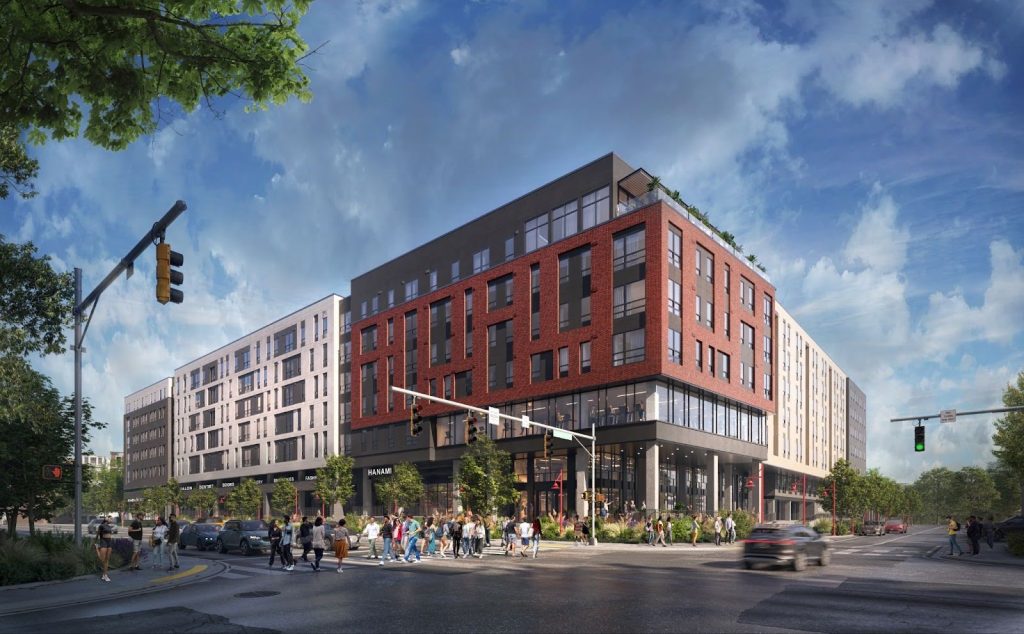
For students seeking more freedom, student housing apartments offer the perfect balance of independence and convenience built specifically with students in mind. Modern properties like The Standard and Rambler College Park are located within walking distance of McKeldin Mall and the business school and offer extensive amenities that are unlikely to be found at any other off-campus establishment.
Student housing apartments feature private bedrooms and bathrooms, full kitchens and resort-style amenities such as rooftop lounges, study rooms and 24-hour fitness centers. These complexes typically offer individual leases designed specifically to accommodate students who only want to be responsible for their individual rent, making it easier to sublease should you want to study abroad or move out over the summer.
These communities make it easy to focus on academics, socialize with friends and enjoy College Park life beyond the dorms.
Living off campus also gives students flexibility with roommates, floor plans and lease terms. Many buildings offer roommate matching programs for residents who are new to the area designed to best accommodate college students.
Traditional Apartments
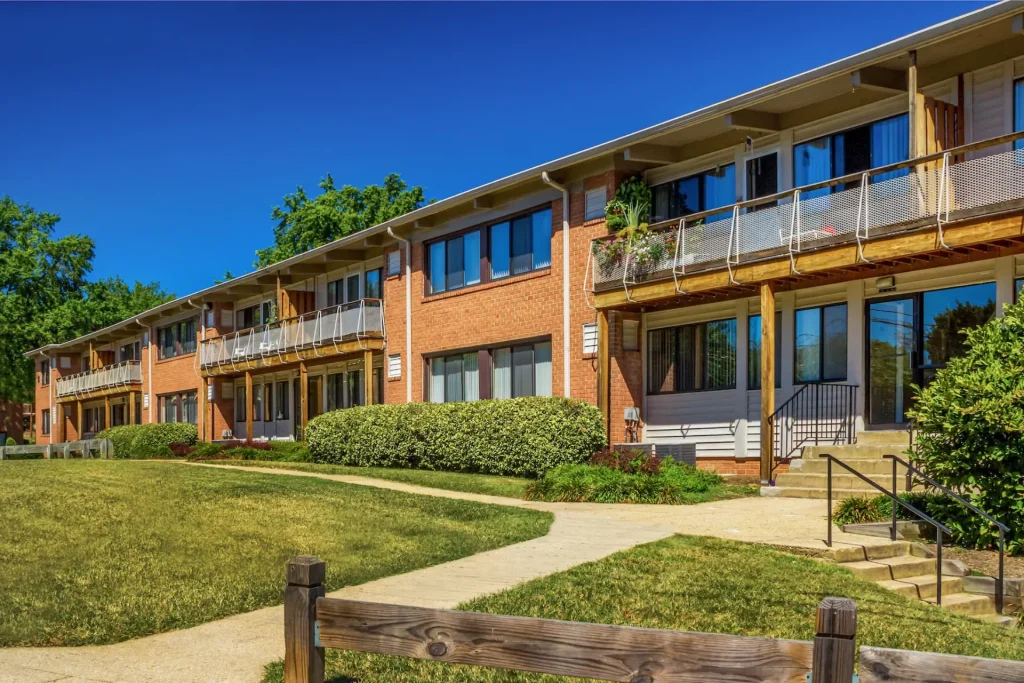
Some UMD students, particularly graduate students and upperclassmen, choose to live farther from campus for affordability or quieter neighborhoods. Areas like Berwyn, Calvert Hills and North College Park offer a mix of houses, duplexes and smaller apartment complexes that cater to commuters.
Graduate students often prefer private apartments or townhomes where they can maintain a work-life balance. While these options typically require a car or longer walk to campus, they provide more space and privacy. These off-campus traditional apartments typically average around $2,580 per month as of January 2026 and generally offer these rates at a per-unit price rather than individual leases.
Traditional Houses
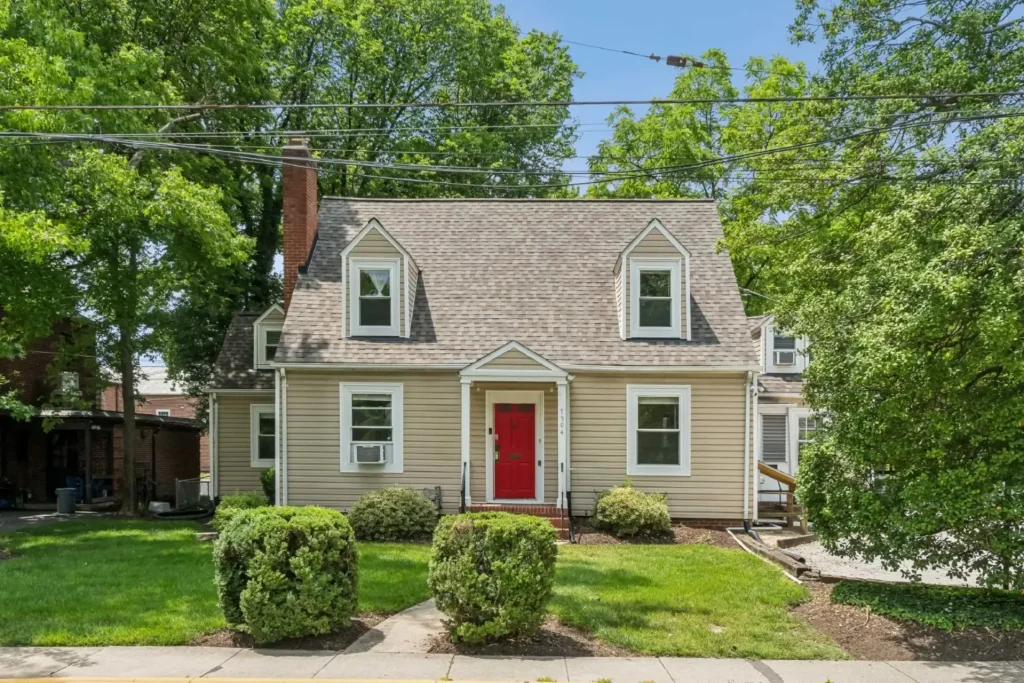
Finally, we will discuss the option of traditional houses. Traditional houses are an excellent option for off-campus students who don’t mind a commute and want something more private and residential. These rental houses are usually owned by an individual or property management company and operate similarly to traditional apartments in terms of rent and leasing.
Traditional houses in College Park can range from mid-high on the student housing pricing scale depending on year of construction, condition, location and number of bedrooms and bathrooms. Like traditional apartments, they follow a traditional lease that can be split any way between roommates, making average cost harder to determine. As of February 2026, the average total rent for a house in College Park can range from $2,234 to $4,869+, depending on the number of bedrooms. This total rent is then split as you and your roommates decide.
While some houses come with a pool or hot tub, many of the amenities that apartments offer will not be available to rental house owners. Gas, wifi and garbage costs are generally the tenant’s responsibility. Additionally, few rental houses will come furnished, meaning you should consider utility and furniture costs when deciding which housing is right for you.
Comparison of Housing Types
To summarize the typical offerings of each housing type, we have put together this convenient table to help you compare your options:
| Residence Halls | Greek Life Housing | Student Housing Apartments | Traditional Apartments | Traditional Houses | |
| Meal Plan | Yes | Yes | No | No | No |
| Roommate Matching | Yes | No | Yes | No | No |
| Affordability | $$$ | $$ | $$-$$$ | $-$$$ | $-$$$ |
| On-Campus or Off-Campus | On-Campus | Varies | Off | Off | Off |
| Furnished | Yes | Varies | Varies | No | No |
Your ideal housing type depends on what you value most during your time at the University of Maryland. Choosing where to live is about more than just location. Your apartment reflects your lifestyle and with many great options to choose from, College Park has something for everyone. From dorms to off-campus apartments, each option has something unique to offer.
Ready to find your home away from home? Schedule a tour at Rambler College Park North or Rambler College Park South. We would love to show you around.

Allison
Allison is a Property Marketing Intern for Rambler College Park. She's a student at the University of Maryland, majoring in Marketing and Management. Her favorite drink to order is a vanilla iced latte!
Published On: March 23, 2026
Last Updated On: August 11, 2026